
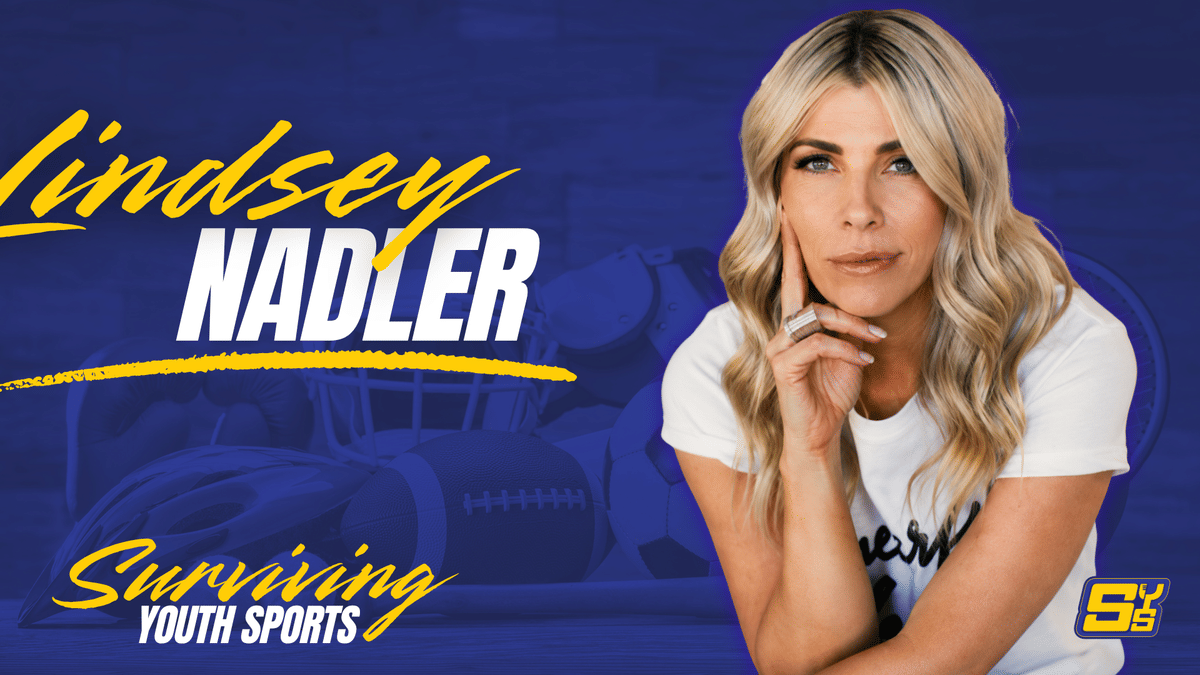
Lindsey Nadler grew up in the heart of travel ball culture, played Division I softball, and now helps athletes across the country develop the mental skills needed to thrive in sports and life. In this conversation with Rhett Parker, she shares how sports became her identity, what she learned after her playing career ended, and why today’s athletes face challenges previous generations never had to navigate.
Pasted text.txt
Together, they explore the pressure created by social media, rankings, constant comparison, and the growing tendency for parents to become deeply intertwined in their children’s athletic journeys. Lindsey challenges families to think differently about confidence, validation, and what it really means to support a young athlete.
This episode is a thoughtful look at resilience, emotional regulation, identity, and why giving kids room to struggle may be one of the most valuable gifts we can offer them.
Subscribe
Apple Podcasts
Spotify
YouTube
Guest Resources
Elite Mental Edge
Instagram: @elitementaledge
TikTok: @elitementaledge
Book Recommendation: The Anxious Generation by Jonathan Haidt
Key Takeaways
What This Episode Explores
Sports can easily become a child’s identity, making the transition out of athletics much harder than many families expect.
The pressure athletes feel often comes from more than coaches and competition. Parents, rankings, social media, and comparison culture can quietly add to the burden.
Resilience is built through experience. Kids need opportunities to make mistakes, solve problems, and develop confidence without constant intervention.
Emotional regulation is a trainable skill that impacts performance, leadership, relationships, and life beyond sports.
Every athlete processes pressure differently. Understanding who your child is may matter more than any private lesson, ranking, or recruiting strategy.
Pasted text.txt
Soundbites
“You are not your sport. Your sport is something you do. It is not who you are.”
“You’re raising a human, not an athlete.”
“What are you going to do as a parent when it’s over? Because it’s going to be over.”
“The athlete who can regulate their emotions the longest is the athlete who’s going to win.”
“Give your kids some autonomy. Give them some space to fail. Give them some space to build resiliency.”
Episode Breakdown with Timestamps
Watch on YouTube or Listen on Apple or Spotify and follow along
[00:00] From Travel Ball Athlete to Mental Performance Coach
Lindsey shares her journey through travel softball, Division I athletics, law enforcement, and eventually mental performance coaching.
She explains how coaching today’s athletes revealed a growing need for mental skills training.
The conversation introduces the reality that athletes today face a much different environment than previous generations.
Pasted text.txt
[05:00] When Sports Become Your Identity
Lindsey reflects on how her sport became her primary source of validation.
Rhett shares stories from professional baseball that illustrate how quickly external recognition can disappear.
They discuss why athletes need confidence rooted in something deeper than performance.
Pasted text.txt
[10:30] Social Media, Rankings, and Constant Comparison
The conversation explores how rankings, recruiting platforms, and social media have changed youth sports.
Lindsey explains why today’s athletes live in a constant state of comparison.
Parents are challenged to think about how often they contribute to that environment.
Pasted text.txt
[14:00] Are Parents Becoming Too Invested?
Lindsey discusses the rise of “momagers” and “dadagers.”
The conversation explores how parents can unintentionally tie their identity to their child’s success.
Both guests discuss why children’s accomplishments should belong to the children themselves.
Pasted text.txt
[19:00] What Happens When Sports End?
Rhett shares stories about athletes and parents who struggled after sports were no longer the center of their lives.
Lindsey explains why developing interests, hobbies, and purpose outside of sports matters.
They discuss the emotional challenges many athletes face when their playing careers end.
Pasted text.txt
[21:30] Why Kids Need More Freedom
Lindsey shares insights from The Anxious Generation and discusses the effects of helicopter parenting.
The conversation examines how constant monitoring can impact confidence and independence.
Parents are encouraged to create more opportunities for autonomy and growth.
Pasted text.txt
[31:00] The Missing Skill in Athlete Development
Lindsey explains why emotional regulation is the foundation of mental performance.
She shares practical ways parents can model healthy responses to adversity.
The discussion challenges the traditional “just toughen up” mentality that many athletes grow up hearing.
Pasted text.txt
[36:00] Understanding Different Athlete Personalities
Lindsey introduces two common athlete personality types and how they respond differently to coaching.
The discussion highlights why a one-size-fits-all coaching approach rarely works.
Parents and coaches are encouraged to understand the athlete in front of them before trying to motivate them.
Pasted text.txt
[40:00] Building Athletes Who Can Handle Adversity
Lindsey explains why emotional regulation often separates good athletes from elite athletes.
The conversation returns to resilience, confidence, and responding to failure.
Both guests emphasize that the mental game deserves the same attention as the physical game.
Pasted text.txt
Final Reflection
The challenge of parenting athletes isn’t simply helping kids succeed in sports.
It’s helping them develop the confidence, resilience, and self-awareness they’ll need long after sports are gone.
Sometimes that means stepping in.
Sometimes it means stepping back.
And sometimes the best thing we can do is trust that our kids are capable of becoming their own people.
Pasted text.txt
Call to Action
If this conversation resonated with you, share it with a parent, coach, or athlete navigating the pressures of youth sports.
Subscribe to Surviving Youth Sports and join us for more honest conversations about the realities of raising, coaching, and developing young athletes.

Alyson Stemas: Parents Aren’t Crazy. They’re Uninformed.
Parents get called “crazy” in youth sports all the time. But what if a lot of that behavior comes from parents trying to navigate a system they don’t fully understand? Former competitive figure skater and youth sports parent Alyson Stemas joins Rhett to talk about raising a competitive young golfer,...
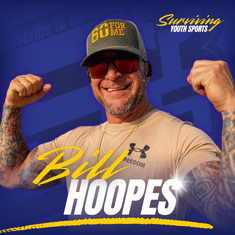
Bill Hoopes: Parents Are Losing Themselves in Youth Sports
Parents spend years driving to practices, sitting through tournaments, paying for lessons, and helping their kids chase their dreams. But somewhere along the way, how many parents start losing themselves in the process? Bill Hoopes, longtime softball coach, tournament director, author, and founder o...

Morgan Schill: Expectations Can Steal the Joy of Youth Sports
Expectations can inspire young athletes. They can also quietly steal the joy that made them fall in love with sports in the first place. Most parents don’t set out to create pressure. They simply want what’s best for their kids. But when winning, rankings, playing time, scholarships, or even the mon...

Craig Bishop: What Parents Say They Want vs. What They Actually Chase
Craig Bishop: What Parents Say They Want vs. What They Actually Chase What do parents really want from youth sports? Most of us would say development. But when the pressure of competition sets in, do our decisions tell a different story? In this episode, Rhett Parker sits down with longtime coach, p...

Breanne Smedley: The Pressure of Being a Girl in Sports
Girls are quitting sports at twice the rate of boys by age 13 , and it’s not because they don’t love the game. In this episode of Surviving Youth Sports , Rhett Parker sits down with Coach Breanne Smedley , former collegiate volleyball player, high school coach, mental performance coach, and founder...

Jonathan Carone: Are Your Kid’s Sports Really About Them?
What if the pressure we feel in youth sports has less to do with our kids and more to do with ourselves? In this episode, Rhett Parker sits down with Jonathan Carone, founder of Healthy Sports Parents, for an honest conversation about the hidden emotions that shape so many youth sports decisions. Fr...

Lindsey Nadler: Why Kids Need More Freedom and Less Monitoring
Lindsey Nadler knows what it’s like when sports become your entire identity. A former Division I softball player turned mental performance coach, Lindsey joins Rhett Parker for a conversation about the pressures facing today’s athletes and why many kids are carrying more stress than ever before. Fro...

Bobby Minor: The Cost of Chasing the Dream
What is the youth sports dream really costing families? In this episode of Surviving Youth Sports, Rhett Parker sits down with Bobby Minor, a former Division I player, coach, recruiting evaluator, organization director, and father who has spent decades around the game of baseball. Together, they unp...

Justin Furtado: Are Parents Protecting Kids Too Much? Lessons, Failure, and Playing Time
Justin Furtado, founder of BTG Basketball and host of Beyond the Scoreboard , joins Rhett for an honest conversation about one of the most uncomfortable parts of youth sports: not playing. From playing time battles to overinvolved parents, Justin and Rhett explore how the lessons kids learn through ...