
Episode Description
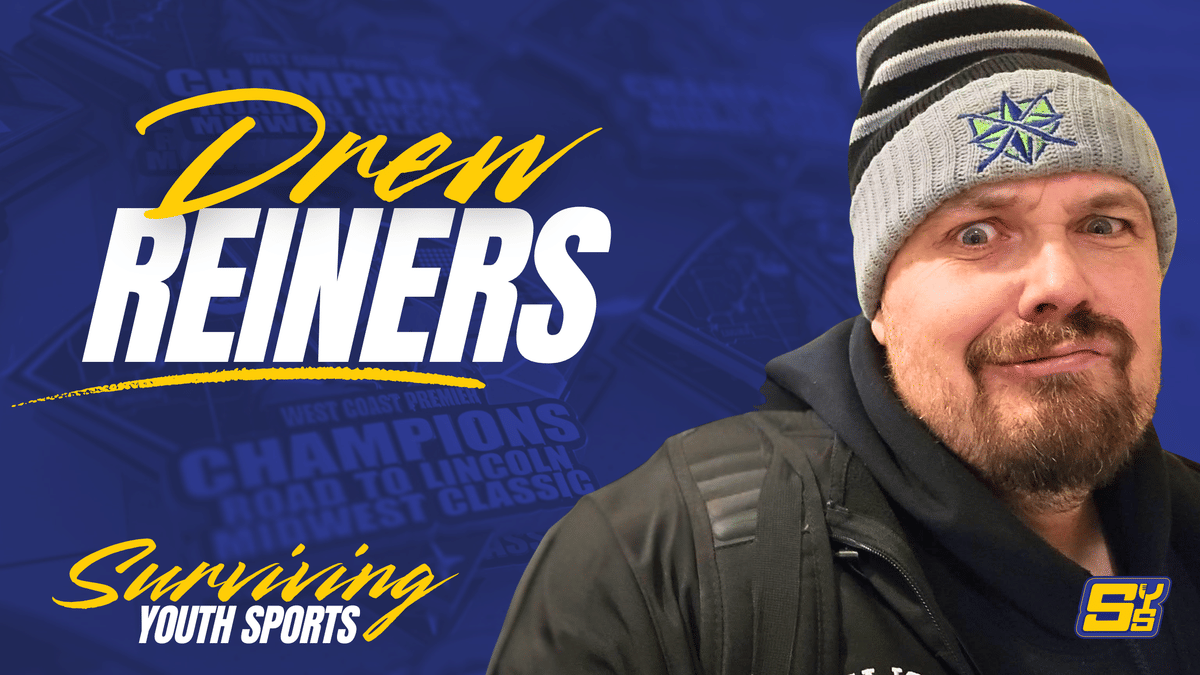
Drew Reiners, founder of West Coast Premier Tournaments, joins Rhett Parker to unpack a side of youth sports that rarely gets talked about. With nearly two decades of experience running large-scale baseball events, Drew shares what it actually takes to organize tournaments that thousands of families depend on each year.
This conversation goes beyond schedules and logistics. It explores the tension between business and experience, the misconceptions around cost, and the emotional weight of being responsible for both players and parents in high-pressure environments. From umpire shortages to communication challenges, Drew offers an honest look at what’s controllable and what isn’t.
For parents, coaches, and anyone navigating the youth sports world, this episode is a reminder to zoom out. The wins, losses, and stats fade. The experience, the relationships, and how kids are supported along the way are what tend to last.
“There’s an expectation of perfection that just isn’t realistic.”
4. Subscribe Links
Subscribe:
5. Guest Resources
West Coast Premier Tournaments
Key Takeaways
What This Episode Explores
• Not everything in youth tournaments is controllable, but communication always is
• The cost of youth sports is more complex than most families realize
• Parents often expect perfection in environments that are inherently unpredictable
• Kids remember the experience, not the stats or outcomes
• Youth sports can shape character far beyond the game itself
Soundbites
• “We can’t control everything, but we can control how we communicate.”
• “There’s an expectation of perfection that just isn’t realistic.”
• “It’s not about the $6.95 ring. It’s about the experience.”
• “Your kid is still your kid whether they go 4-for-4 or walk eight guys.”
• “These kids aren’t going to remember their stats.”
• “We paid for this, so we should get perfection. That’s the expectation we live under.”
• “Playability in April is more important than profitability.”
• “There are weekends I get home and feel battered from the verbal abuse.”
• “A lot of kids have come up to me and apologized for their parents’ behavior. That makes me sad.”
Episode Breakdown with Timestamps
Watch on YouTube or Listen on Apple or Spotify and follow along
[00:00] Opening and Background
• Rhett introduces Drew and their shared history in the tournament space
• Sets the stage for a conversation rooted in real experience
• Acknowledges the tension and perception around youth tournaments
[01:24] The Negative Perception of Youth Tournaments
• Drew reflects on 19 years in the industry and evolving challenges
• Addresses the common belief that tournaments are “just about money”
• Emphasizes balancing business needs with providing real value
[03:16] What You Can and Can’t Control
• The reality of managing hundreds of teams and dozens of fields
• Umpires, weather, and logistics as constant variables
• Communication becomes the most important controllable factor
[06:53] Expectations vs Reality from Parents and Coaches
• The “we paid, so it should be perfect” mindset
• Why perfection isn’t realistic at scale
• The gap between perception and operational reality
[09:32] The Hidden Costs Behind Tournaments
• Travel, lodging, and staffing challenges for large events
• Why local resources alone aren’t enough
• A deeper look at what goes into running a single weekend
[12:51] Business vs Experience
• The role of pricing, margins, and sustainability
• Decisions that prioritize experience over profit
• Why some events are run at a loss to build long-term trust
[18:17] “Just Run Your Own Tournament” Reality Check
• The misconception that running events is simple
• What people learn when they try it themselves
• Respect for the complexity behind the scenes
[20:27] What Tournament Directors Actually Focus On
• Viewing tournaments as a specialized craft
• The goal of creating a consistent, quality experience
• Why not every decision is driven by money
[24:21] The Moment That Matters Most
• Drew shares what keeps him going through the stress
• Kids enjoying the game as the ultimate reminder
• Seeing players grow over years and return to events
[27:30] Message to Parents
• Youth sports as a tool for life, not just performance
• The long-term impact of how parents respond to failure
• Protecting the relationship over the result
[29:59] What Kids Actually Remember
• A personal story about Drew’s son reflecting on tournaments
• Experiences and memories outweigh stats and outcomes
• A shift in perspective on what really matters
[31:24] Respect, Perspective, and Moving Forward
• The importance of treating people with respect in high-pressure moments
• Encouraging open dialogue between parents, coaches, and organizers
• The idea of bringing different perspectives together in future conversations
Final Reflection or Closing Thought
There’s a lot happening behind the scenes in youth sports that most families never see. But when you step back, the question becomes simpler. Not whether everything was perfect, but whether the experience helped a kid keep showing up.
Call to Action
If this episode resonated, share it with a parent or coach who’s in it right now.
Subscribe to Surviving Youth Sports and follow along for more honest conversations.
If you have a story or perspective to share, reach out.

Nathan Winston: They Said He Couldn’t. He Did Anyway.
At four years old, Nathan Winston had his leg amputated. Doctors told his parents there would be things he simply wouldn't be able to do. But Nathan wasn't interested in letting someone else decide what he was capable of. From playing multiple sports growing up to pursuing professional baseball, Nat...

Jordan Rifkin: We're Going Broke for Youth Sports. And We Love It.
Youth sports are expensive, exhausting, time-consuming, and sometimes downright ridiculous. So why do we keep signing up for more? Jordan Rifkin, better known as Broke Dad Jordan , joins Surviving Youth Sports to laugh about the chaos that comes with raising kids in sports. From travel baseball and ...

Jonathan Schindel: What If Youth Sports Actually Put Kids Before Profits?
What if youth sports put young people before profits? Jonathan Schindel, co-president of The Armory Foundation, joins Rhett Parker for a conversation about the business of youth sports and the families it serves. They discuss affordability, reinvesting in athletes and the community, academic opportu...

Kyle Pless: We’re Building Young Athletes Backwards
Youth sports keeps telling families to move faster. Join the better team. Train more. Get exposure earlier. Start recruiting younger. But Kyle Pless believes we may be building young athletes in the wrong order. In this episode, Kyle and Rhett talk about the pressure to be “elite” before kids have d...

Rachi Wortham: College Coaches Are Recruiting the Parents Too
College basketball has changed. NIL, the transfer portal, AAU circuits, trainers, and money have made recruiting more complicated and, in many ways, more transactional. Montana basketball coach Rachi Wortham joins the show to talk about what that shift looks like from inside a Division I program and...

Lorraine Eloms: Your Kid Doesn’t Need to Keep Up With the Joneses
Youth sports can make families feel like they’re constantly falling behind. Another athlete is training more, playing on a bigger stage, getting more attention, or seemingly moving faster toward the next level. Lorraine Eloms joins the show to talk about what that constant comparison does to both at...

Frank Decembrino: How Adults Ruin Youth Sports
Youth sports are supposed to be about the kids. But somewhere between travel teams, private training, exposure, money, playing time, and adult expectations, it can become hard to tell whose experience it really is. Frank Decembrino, founder of Clubhouse Baseball Academy and longtime leader of the Bo...

David Durand: Expectations can Steal The Joy of Youth Sports
Expectations Can Steal the Joy of Youth Sports When does “I want to get better” become “I have to get better or I’m falling behind”? Mental performance consultant David Durand joins Rhett Parker to talk about the pressure surrounding young athletes and how quickly sports can become tied to identity,...

Eddie Smith: You Can’t Buy Your Kid Opportunities
What does a Division I head coach actually look for when recruiting your kid? University of Washington Head Baseball Coach Eddie Smith has recruited and coached players across nearly every level of college baseball, including stops at LSU, Notre Dame, Virginia, Tulane, Utah Valley, and Lower Columbi...