
Episode Date
August 12, 2026
Episode Description
“There was a time when I thought I had it all figured out. None of us ever do.”
What do parents really want from youth sports?
Most of us would answer with the same word: development. But when the pressure to win starts to grow, our decisions don’t always match our intentions.
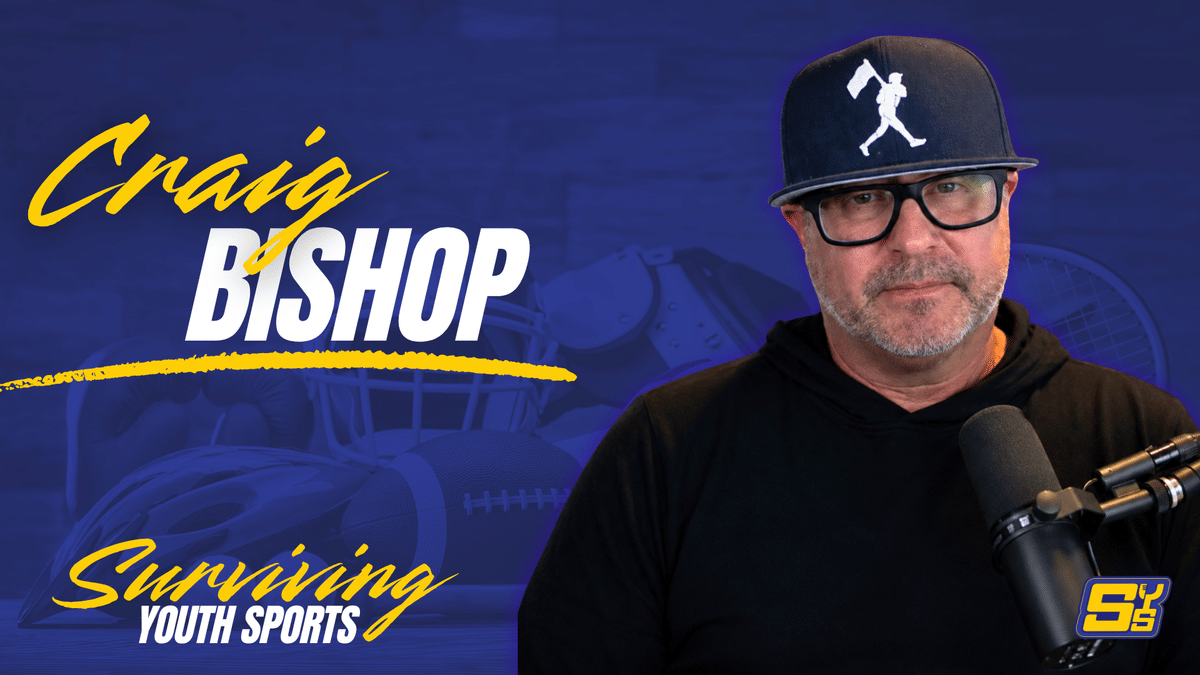
In this episode of Surviving Youth Sports, Rhett Parker sits down with longtime coach, parent, instructor, and facility owner Craig Bishop for an honest conversation about what changes when you’ve experienced youth sports from every angle. After decades of coaching elite athletes, Craig explains how becoming a father completely reshaped the way he coached, communicated, and connected with families.
Together, they explore why the years between 11 and 14 can be some of the most challenging in an athlete’s journey, how expectations often create unnecessary pressure, and why creating a positive experience may matter more than chasing the next win. Whether you’re a parent, coach, or athlete, this episode offers a thoughtful perspective on what we’re really pursuing in youth sports.
Subscribe
Listen and subscribe on:
Apple Podcasts
Spotify
YouTube
Guest Resources
Instagram: @craigwbishop
Key Takeaways
Many parents say development is their priority, but competition often reveals that winning carries more weight than they realize.
The biggest challenge for many athletes between ages 11 and 14 isn’t another team. It’s navigating puberty, growth, and changing expectations.
Becoming a parent can completely change the way a coach understands communication, empathy, and player development.
Winning games and providing value aren’t always the same thing.
The relationships built through youth sports often outlast the memories of championships.
Soundbites
“There was a time when I thought I had it all figured out. None of us ever do.”
“Learning to flip the switch from coaching elite players to coaching tee ball was hard.”
“Between 11 and 14, your opponent is puberty.”
“Winning is the most important thing to most youth parents… until it affects their child’s playing time.”
“If you ask 100 parents what’s most important, they’ll all say development because that’s the socially acceptable answer.”
“The goal isn’t to beat the other team. The goal is to be better than yesterday’s version of ourselves.”
“I became a much better coach after I had kids because I finally understood what parents were going through.”
“If you’re going to complain, you better be willing to provide a solution.”
“Winning games and providing value aren’t always the same thing.”
“If we can create a world with clear expectations and good self-awareness, we create a much better youth sports experience.”
Episode Breakdown with Timestamps
Watch on YouTube or Listen on Apple or Spotify and follow along.
[0:00] From Elite Coach to Sports Parent
Craig reflects on decades of coaching and the lessons he wishes he knew earlier.
Why experience doesn’t eliminate mistakes.
How self-awareness became one of the most valuable lessons of his career.
[2:30] The Business Behind Youth Sports
The evolution of indoor training facilities.
Why so many camps and clinics exist today.
The importance of researching organizations before making commitments.
[11:30] Camps, Clinics, and What Kids Really Need
Why younger athletes benefit most from play and positive experiences.
The role camps can serve beyond skill development.
Creating opportunities for kids to simply enjoy sports.
[14:30] How Having Kids Changed Everything
Craig shares how coaching his own children forced him to see youth sports differently.
Moving from elite baseball to tee ball wasn’t as easy as he expected.
The empathy that comes from experiencing both the dugout and the stands.
[19:30] Full Circle as a Father and Coach
Coaching his son’s final high school season.
Why communication became more important than simply having the right answers.
How relationships became a greater measure of success than wins.
[22:00] What Parents Say They Want vs. What They Actually Chase
Why development is often the answer parents give.
How winning can quietly become the real priority.
The tension between chasing championships and supporting long-term growth.
[26:30] Your Biggest Opponent Might Not Be the Other Team
Why ages 11 through 14 are heavily influenced by physical growth and maturity.
How comparing young athletes can create unrealistic expectations.
Keeping the focus on long-term development instead of short-term results.
[33:00] What Really Matters
Craig reflects on what decades in youth sports have taught him.
Why empathy, communication, and self-awareness create better experiences for everyone involved.
The lasting value of relationships built through sports.
Final Reflection
Youth sports often convince us that the next win, the next team, or the next opportunity will determine the future.
This conversation is a reminder that perspective changes everything. The longer you’re involved, the more you realize that developing character, building relationships, and creating an environment where kids enjoy the journey may be the greatest wins of all.
Call to Action
If this conversation resonated with you, subscribe to the Surviving Youth Sports Podcast and share this episode with a parent, coach, or family navigating the youth sports journey.
Together, we can continue having honest conversations that help make youth sports a healthier experience for everyone.

Nathan Winston: They Said He Couldn’t. He Did Anyway.
At four years old, Nathan Winston had his leg amputated. Doctors told his parents there would be things he simply wouldn't be able to do. But Nathan wasn't interested in letting someone else decide what he was capable of. From playing multiple sports growing up to pursuing professional baseball, Nat...

Jordan Rifkin: We're Going Broke for Youth Sports. And We Love It.
Youth sports are expensive, exhausting, time-consuming, and sometimes downright ridiculous. So why do we keep signing up for more? Jordan Rifkin, better known as Broke Dad Jordan , joins Surviving Youth Sports to laugh about the chaos that comes with raising kids in sports. From travel baseball and ...

Jonathan Schindel: What If Youth Sports Actually Put Kids Before Profits?
What if youth sports put young people before profits? Jonathan Schindel, co-president of The Armory Foundation, joins Rhett Parker for a conversation about the business of youth sports and the families it serves. They discuss affordability, reinvesting in athletes and the community, academic opportu...

Kyle Pless: We’re Building Young Athletes Backwards
Youth sports keeps telling families to move faster. Join the better team. Train more. Get exposure earlier. Start recruiting younger. But Kyle Pless believes we may be building young athletes in the wrong order. In this episode, Kyle and Rhett talk about the pressure to be “elite” before kids have d...

Rachi Wortham: College Coaches Are Recruiting the Parents Too
College basketball has changed. NIL, the transfer portal, AAU circuits, trainers, and money have made recruiting more complicated and, in many ways, more transactional. Montana basketball coach Rachi Wortham joins the show to talk about what that shift looks like from inside a Division I program and...

Lorraine Eloms: Your Kid Doesn’t Need to Keep Up With the Joneses
Youth sports can make families feel like they’re constantly falling behind. Another athlete is training more, playing on a bigger stage, getting more attention, or seemingly moving faster toward the next level. Lorraine Eloms joins the show to talk about what that constant comparison does to both at...

Frank Decembrino: How Adults Ruin Youth Sports
Youth sports are supposed to be about the kids. But somewhere between travel teams, private training, exposure, money, playing time, and adult expectations, it can become hard to tell whose experience it really is. Frank Decembrino, founder of Clubhouse Baseball Academy and longtime leader of the Bo...

David Durand: Expectations can Steal The Joy of Youth Sports
Expectations Can Steal the Joy of Youth Sports When does “I want to get better” become “I have to get better or I’m falling behind”? Mental performance consultant David Durand joins Rhett Parker to talk about the pressure surrounding young athletes and how quickly sports can become tied to identity,...

Eddie Smith: You Can’t Buy Your Kid Opportunities
What does a Division I head coach actually look for when recruiting your kid? University of Washington Head Baseball Coach Eddie Smith has recruited and coached players across nearly every level of college baseball, including stops at LSU, Notre Dame, Virginia, Tulane, Utah Valley, and Lower Columbi...