
Episode Description
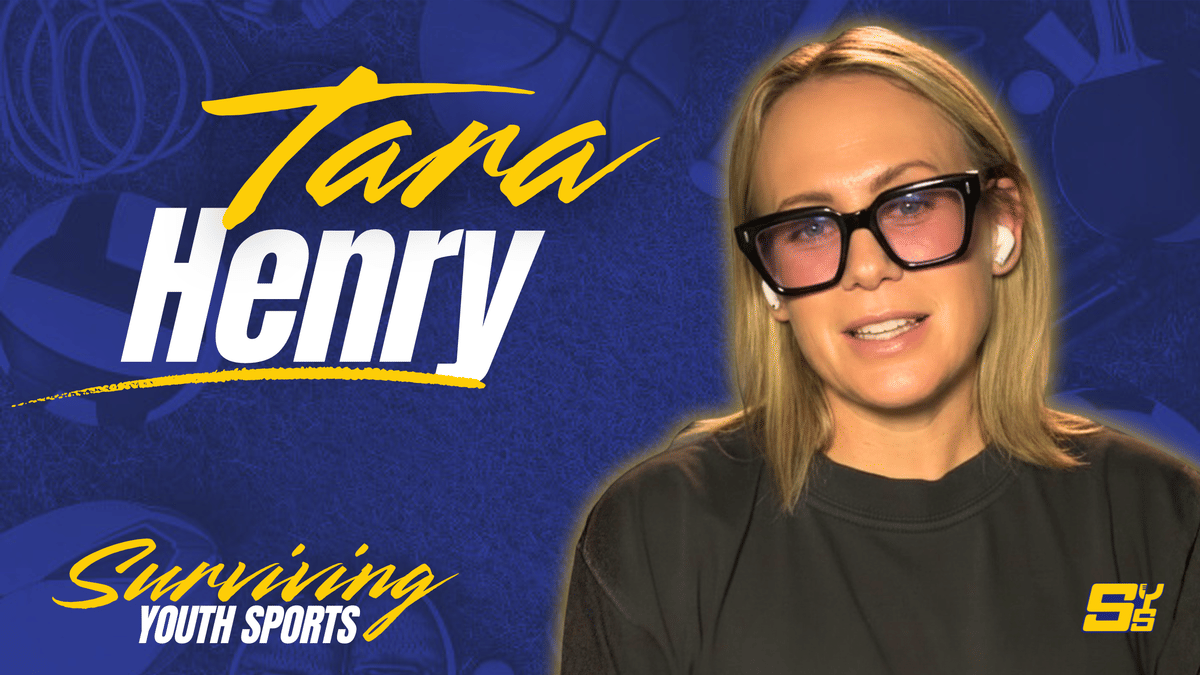
In this episode of Surviving Youth Sports, Rhett Parker sits down with Tara Henry, a longtime leader in women’s softball and a key figure in international player development. From coaching Great Britain’s national teams to working across global softball communities, Tara brings a rare perspective shaped by experience both inside and outside the U.S. youth sports system.
Together, Rhett and Tara unpack what youth sports looks like around the world and why the American model often feels disconnected from development, joy, and community. They talk openly about coach education, parent behavior, transactional team culture, and the pressure placed on young athletes far too early.
This conversation is grounded, honest, and reflective. It speaks directly to parents, coaches, and athletes who are trying to navigate youth sports without losing sight of what actually matters.
"Athletes want to be seen as people, not positions.”
Subscribe Links
Subscribe
• Spotify
• YouTube
Guest Resources
• Softball America (organization referenced in discussion)
Key Takeaways
Core Themes from This Episode
• Youth sports development suffers when results matter more than relationships
• Coach education and parent education shape the entire athlete experience
• Community-based models abroad offer important lessons for U.S. sports
• Athletes respond to being seen as people, not positions
• The car ride home often matters more than the final score
Soundbites
• “When winning becomes the point, kids lose.”
• “Youth sports didn’t break overnight. It drifted.”
• “Most kids don’t quit sports because they hate the game. They quit because of the environment.”
• “Coach education has to come before player development.”
• “Sport should be a place where kids get to let everything else go.”
• “If your kid quits tomorrow, will their coach still care about them?”
• “The car ride home matters more than the scoreboard.”
• “Athletes want to be seen as people, not positions.”
Episode Breakdown with Timestamps
[00:01] Meeting Through Sport and a Global Perspective
• How international travel shaped Tara’s view of youth sports
• Early reflections on how different cultures approach development
• Why exposure outside the U.S. matters
[02:17] Community-Based Sports vs. Club Culture
• Playing with neighbors versus chasing teams
• The cost, travel, and pressure of modern club sports
• What gets lost when sport becomes transactional
[05:16] Why Development Gets Skipped
• Recruiting talent instead of building it
• The gap between opportunity and actual growth
• Why continuity matters at younger ages
[07:14] Coach Education Comes First
• The role of certifications and standards
• Learning how to teach humans, not just skills
• Why better coaches create healthier environments
[08:00] When Competition Goes Too Far
• A youth basketball story that reveals the problem
• How adult behavior impacts young athletes
• Why kids internalize moments adults dismiss
[11:49] Play, Joy, and Staying in the Game
• Why most kids play sports in the first place
• The importance of fun in long-term development
• Choosing sports based on relationships, not résumés
[16:36] Parents Matter More Than They Think
• Tara’s reflections on her mother’s influence
• What kids remember years later
• Energy, tone, and presence on the sidelines
[22:18] Coaching the Person, Not the Position
• One-on-one conversations and trust-building
• Adapting communication styles to different athletes
• Why standards and empathy must coexist
[27:21] Teams That Last Beyond the Season
• Building sisterhood and connection
• Why great teams feel different
• Sport as a lifelong relationship builder
[30:23] Tara’s Closing Message to Coaches
• Get to know your athletes early
• Don’t give up when trust takes time
• Relationships are the foundation of everything
Final Reflection or Closing Thought
Youth sports don’t fall apart all at once. They drift when winning replaces development, when adults forget what it felt like to play, and when relationships become optional. This episode is a reminder that connection is still the most powerful coaching tool we have.
Call to Action
Subscribe and follow Surviving Youth Sports.
Share this episode with a parent, coach, or athlete who’s trying to do it the right way.
If you have a story or perspective to share, reach out.

Nathan Winston: They Said He Couldn’t. He Did Anyway.
At four years old, Nathan Winston had his leg amputated. Doctors told his parents there would be things he simply wouldn't be able to do. But Nathan wasn't interested in letting someone else decide what he was capable of. From playing multiple sports growing up to pursuing professional baseball, Nat...

Jordan Rifkin: We're Going Broke for Youth Sports. And We Love It.
Youth sports are expensive, exhausting, time-consuming, and sometimes downright ridiculous. So why do we keep signing up for more? Jordan Rifkin, better known as Broke Dad Jordan , joins Surviving Youth Sports to laugh about the chaos that comes with raising kids in sports. From travel baseball and ...

Jonathan Schindel: What If Youth Sports Actually Put Kids Before Profits?
What if youth sports put young people before profits? Jonathan Schindel, co-president of The Armory Foundation, joins Rhett Parker for a conversation about the business of youth sports and the families it serves. They discuss affordability, reinvesting in athletes and the community, academic opportu...

Kyle Pless: We’re Building Young Athletes Backwards
Youth sports keeps telling families to move faster. Join the better team. Train more. Get exposure earlier. Start recruiting younger. But Kyle Pless believes we may be building young athletes in the wrong order. In this episode, Kyle and Rhett talk about the pressure to be “elite” before kids have d...

Rachi Wortham: College Coaches Are Recruiting the Parents Too
College basketball has changed. NIL, the transfer portal, AAU circuits, trainers, and money have made recruiting more complicated and, in many ways, more transactional. Montana basketball coach Rachi Wortham joins the show to talk about what that shift looks like from inside a Division I program and...

Lorraine Eloms: Your Kid Doesn’t Need to Keep Up With the Joneses
Youth sports can make families feel like they’re constantly falling behind. Another athlete is training more, playing on a bigger stage, getting more attention, or seemingly moving faster toward the next level. Lorraine Eloms joins the show to talk about what that constant comparison does to both at...

Frank Decembrino: How Adults Ruin Youth Sports
Youth sports are supposed to be about the kids. But somewhere between travel teams, private training, exposure, money, playing time, and adult expectations, it can become hard to tell whose experience it really is. Frank Decembrino, founder of Clubhouse Baseball Academy and longtime leader of the Bo...

David Durand: Expectations can Steal The Joy of Youth Sports
Expectations Can Steal the Joy of Youth Sports When does “I want to get better” become “I have to get better or I’m falling behind”? Mental performance consultant David Durand joins Rhett Parker to talk about the pressure surrounding young athletes and how quickly sports can become tied to identity,...

Eddie Smith: You Can’t Buy Your Kid Opportunities
What does a Division I head coach actually look for when recruiting your kid? University of Washington Head Baseball Coach Eddie Smith has recruited and coached players across nearly every level of college baseball, including stops at LSU, Notre Dame, Virginia, Tulane, Utah Valley, and Lower Columbi...